
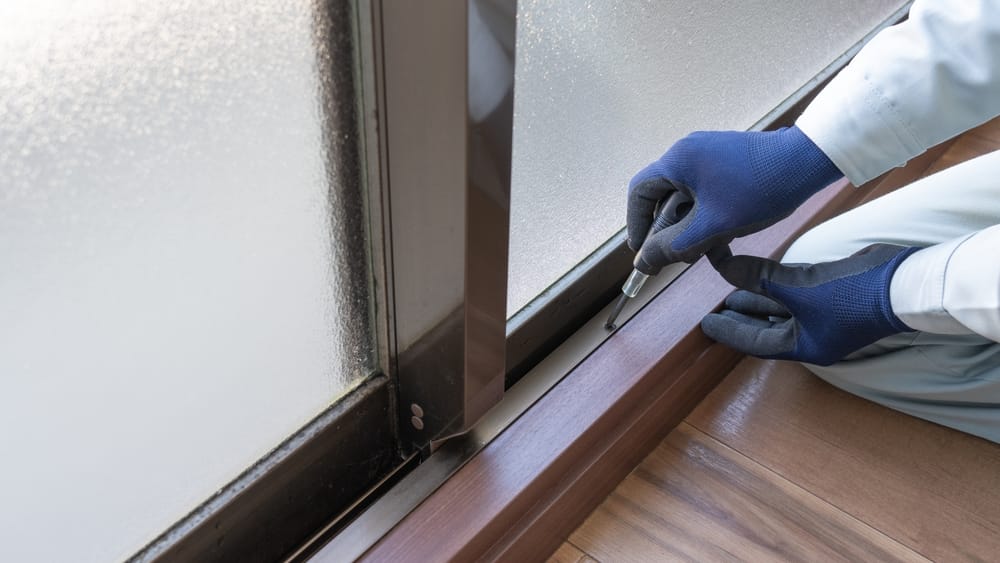
Winter can be especially tough on residential doors. As temperatures drop, materials contract, moisture levels change, and daily wear becomes more noticeable. Small door issues that seem minor in warmer months can turn into major comfort and energy problems during winter. Understanding the most common winter door problems—and how to fix them—can help keep your home warm, efficient, and secure.
Drafts and Cold Air Leaks
One of the most frequent winter complaints is cold air sneaking in around the door. Drafts often occur due to worn weatherstripping, gaps around the frame, or doors that no longer sit flush when closed. Even tiny openings can let in cold air and force your heating system to work overtime.
A short-term fix may include replacing weatherstripping or sealing gaps with caulking. However, if the door frame has shifted or the door itself has warped, a professional door installation may be required to properly correct alignment issues and restore an airtight seal.
Doors That Stick or Won’t Close Properly
Cold weather can cause wooden doors to swell or metal components to contract, making doors harder to open or close. Sticking doors are not only frustrating but can also prevent proper sealing, allowing heat to escape.
Sometimes, adjusting hinges or sanding problem areas solves the issue. In more severe cases—especially with older doors—structural warping may be the root cause. When repeated adjustments fail, a door replacement is often the most reliable long-term solution.
Condensation and Moisture Buildup
Seeing condensation or frost on the inside of your door is a sign that warm indoor air is meeting cold outdoor surfaces. This usually points to poor insulation or failing seals. Over time, excess moisture can damage door materials and surrounding frames, leading to rot or mould.
Improving insulation around the door and upgrading to energy-efficient models can significantly reduce condensation issues. Modern doors are designed with insulated cores that better manage temperature differences during winter.
Worn or Damaged Door Hardware
Winter conditions can also affect door hardware. Locks may freeze, handles can become stiff, and metal components may corrode due to moisture and road salt brought in on boots. Faulty hardware compromises both convenience and security.
Lubricating moving parts and replacing damaged hardware can help, but if the door structure no longer supports proper function, it may be time to consider a full door replacement for improved safety and durability.
Increased Energy Bills
If heating costs rise every winter, your doors may be contributing more than you think. Poor insulation, air leaks, and outdated designs all reduce energy efficiency. Even a well-maintained heating system struggles when warm air constantly escapes through inefficient doors.
Investing in professional door installation ensures proper fit and insulation, which can lead to noticeable energy savings and more consistent indoor temperatures throughout the season.
When Repairs Are No Longer Enough
While minor problems can often be fixed, repeated issues usually indicate deeper structural concerns. Doors that are decades old or visibly damaged may no longer meet modern efficiency standards. In these cases, replacement offers better performance, lower maintenance, and improved comfort during harsh winters.
Upgrade Your Doors Before Winter Worsens!
Yarrow Sash & Door helps homeowners address winter door challenges with dependable solutions built for cold climates. From expert door installation to high-quality door replacement options, their team focuses on improving comfort, efficiency, and durability, so your home stays warm and secure all winter long.
Recent Comments