
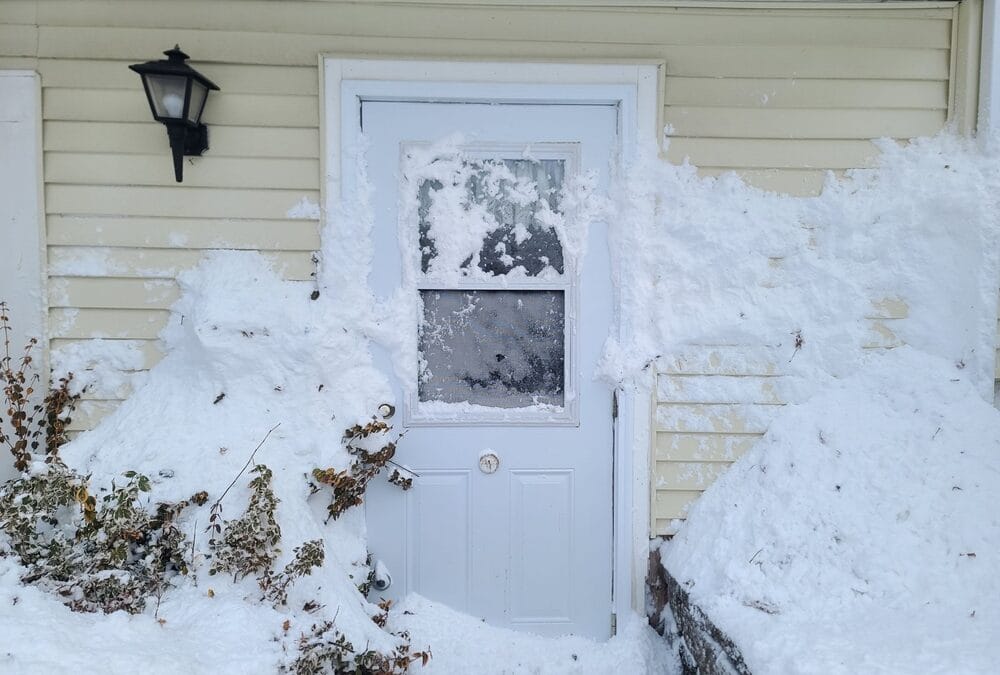
If your heating costs spike every winter despite reasonable thermostat settings, the issue may not be your furnace or insulation. In many homes, exterior doors play a larger role in energy efficiency than people realize. Small gaps, aging materials, or poor installation can allow cold air in and warm air out, forcing your heating system to work harder than necessary. Over time, this inefficiency can significantly impact comfort and monthly utility bills.
How Doors Affect Heat Loss in Winter?
Doors are one of the most frequently used entry points in a home, which also makes them more vulnerable to wear. As materials expand and contract with temperature changes, seals can loosen, and frames may shift slightly. Even a narrow gap around the door can create drafts that lower indoor temperatures.
Older doors, especially those made from outdated materials or with hollow cores, often lack proper insulation. During winter, cold air transfers easily through these surfaces, reducing overall thermal performance. When this happens, your home loses heat faster than it can be replaced.
Common Signs Your Door Is Costing You Money
Drafts near entryways are one of the most obvious warning signs. You may notice cold air around your feet or fluctuating room temperatures near doors. Difficulty closing or latching the door fully can also indicate alignment issues that affect sealing.
Another sign is condensation or frost buildup on the interior side of the door. This may suggest inadequate insulation or air leakage. In these cases, a professional door replacement may help improve energy efficiency and indoor comfort.
The Role of Proper Door Installation
Even high-quality doors can underperform if they are not installed correctly. Door installation involves more than fitting a panel into an opening. Precise measurements, proper insulation around the frame, and secure sealing are all essential for minimizing air leakage.
When installation is rushed or done without attention to detail, gaps may form that compromise efficiency. Professional door installation helps ensure the door fits correctly and functions as intended, reducing drafts and heat loss during colder months.
When Door Replacement Makes Sense
In some situations, repairs may not be enough. Doors that are warped, cracked, or structurally damaged often continue to leak air despite added weatherstripping. If your door is decades old, it may not meet modern energy efficiency standards.
A full door replacement allows homeowners to choose materials designed for colder climates, such as insulated steel, fibreglass, or solid wood with thermal cores. These options are built to reduce heat transfer and withstand temperature fluctuations more effectively.
Energy Efficiency and Long-Term Savings
Upgrading doors can provide noticeable improvements beyond lower energy bills. Improved insulation helps maintain consistent indoor temperatures, reducing strain on heating systems. This may also contribute to a quieter home by blocking outdoor noise.
While door replacement requires an upfront investment, the long-term savings on heating costs and reduced maintenance needs often offset the initial expense. Over time, improved efficiency can make winter months more comfortable and predictable.
Improve Comfort and Control Winter Energy Costs!
Yarrow Sash & Door supports homeowners looking to improve efficiency and comfort through quality door solutions. Whether addressing drafts or planning an upgrade, their experience with reliable door installation and replacement options helps create warmer, more energy-conscious homes during the winter season and beyond.
Recent Comments